
Conference Schedule

Day1: October 4, 2018
Keynote Forum
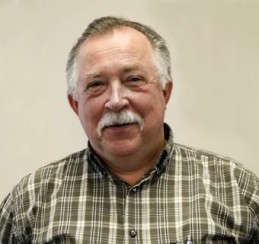
10:00-10:30
Vladimir P Torchilin
Northeastern University, USA
Title: Tumor-targeted stimuli-sensitive combination nano preparations
10:00-10:30
Biography
Vladimir P Torchilin PhD, DSc is a University Distinguished Professor of Pharmaceutical Sciences and Director, Center for Pharmaceutical Biotechnology and Nanomedicine, Northeastern University, Boston. His interests include drug delivery and targeting, nanomedicine, multifunctional and stimuli-sensitive pharmaceutical nanocarriers, biomedical polymers, experimental cancer therapy. He has published more than 400 original papers, more than 150 reviews and book chapters, wrote and edited 12 books and holds more than 40 patents. Google Scholar shows more than 55,000 citations of his papers with H-index of 105. He is Editor-in-Chief of Current Drug Discovery Technologies, Drug Delivery and Open Nano, Co-Editor of Current Pharmaceutical Biotechnology and on the Editorial Boards of many other journals. He received more than $30 M from the governmental and industrial sources in research funding. He has multiple honors and awards and in 2011, Times Higher Education ranked him number 2 among top world scientists in pharmacology for the period of 2000-2010.
Abstract
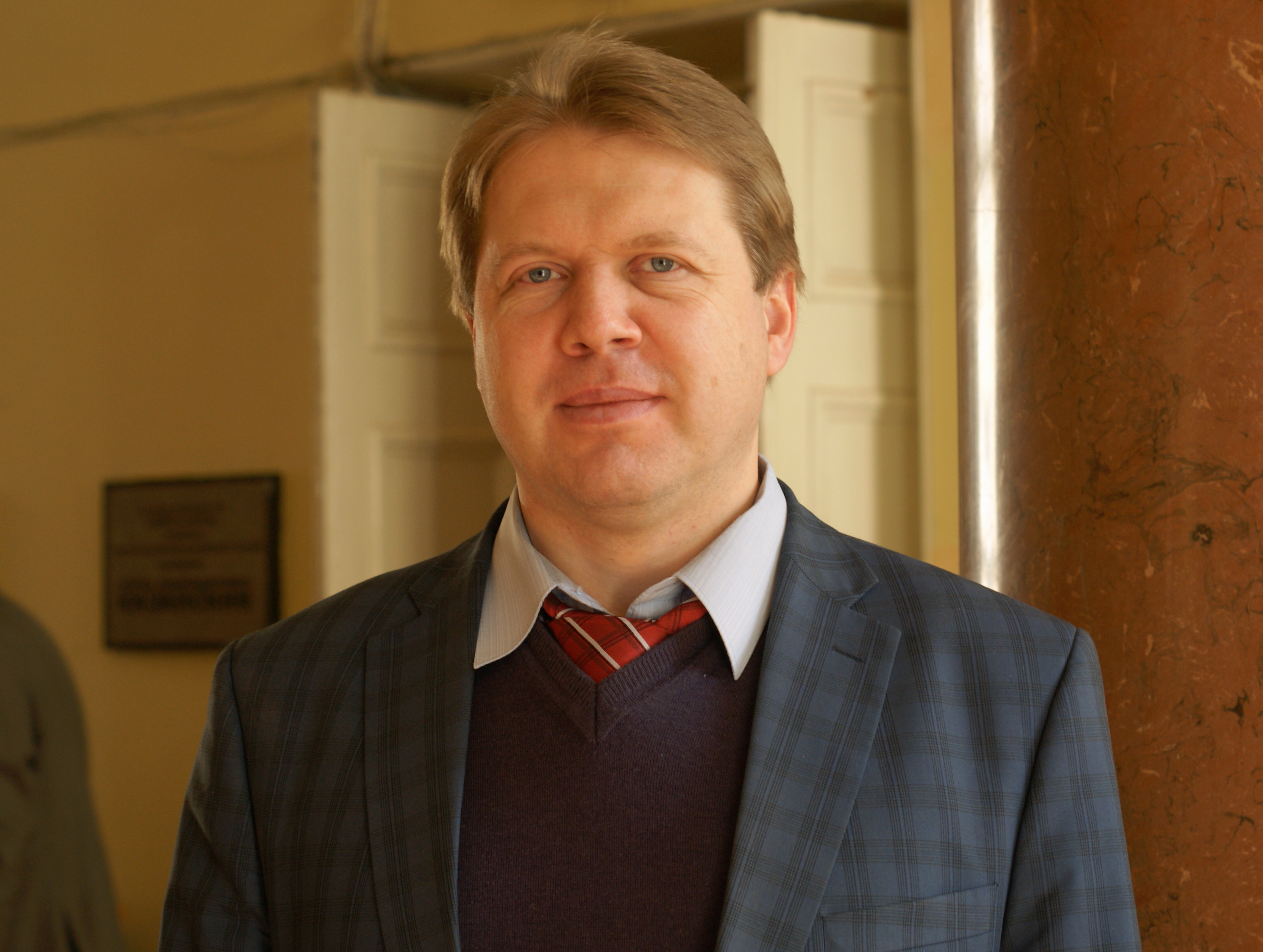
10:30-11:00
Alexander O Terentev
N D Zelinsky Institute of Organic Chemistry- RAS, Russia
Title: New biologically active organic peroxides
10:30-11:00
Biography
Alexander O Terentev was born in Moscow, in 1973 and done his PhD degree (2000) and DSc degree (2009). At this time he is Professor in D Mendeleev University of Chemical Technology of Russia, Head of laboratory in N D Zelinsky Institute of Organic Chemistry RAS, and Head of laboratory in All-Russian Research Institute of Phytopathology. His interests are organic chemistry, medical and agricultural chemistry, chemical technology. He published 120 research papers and 30 patents
Abstract
Traditionally organic peroxides are applied in industry as initiators of free radical polymerization and oxidants. In the last decades, organic peroxides have received considerable attention from chemists and drug design experts, which is associated with a need in the search for drugs for the treatment of parasitic diseases, such as malaria and helminth infections. Peroxides having antitumor or growth-regulatory activity were also documented. In our work we developed methods for synthesis of various types of cyclic and linear peroxides usng of H2O2 and carbonyl compounds. Cyclic peroxides: ozonides, tetraoxanes, and tricyclic monoperoxides demonstrate prospective anticancer and antiparasitic properties. This work was supported by RFBR according to the research project â„– 18-53-15010
Tracks
- Targeted Drug Delivery System: Advances and Approaches | Nanotechnology in Drug Delivery | Drug Discovery and Development Obstacles | Drug Delivery through BBB | Innovative Drug Delivery Technologies
Location: Nikolaevskiy - 1
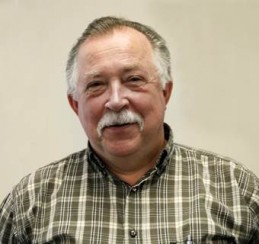
Vladimir P Torchilin
Northeastern University, USA
Chair
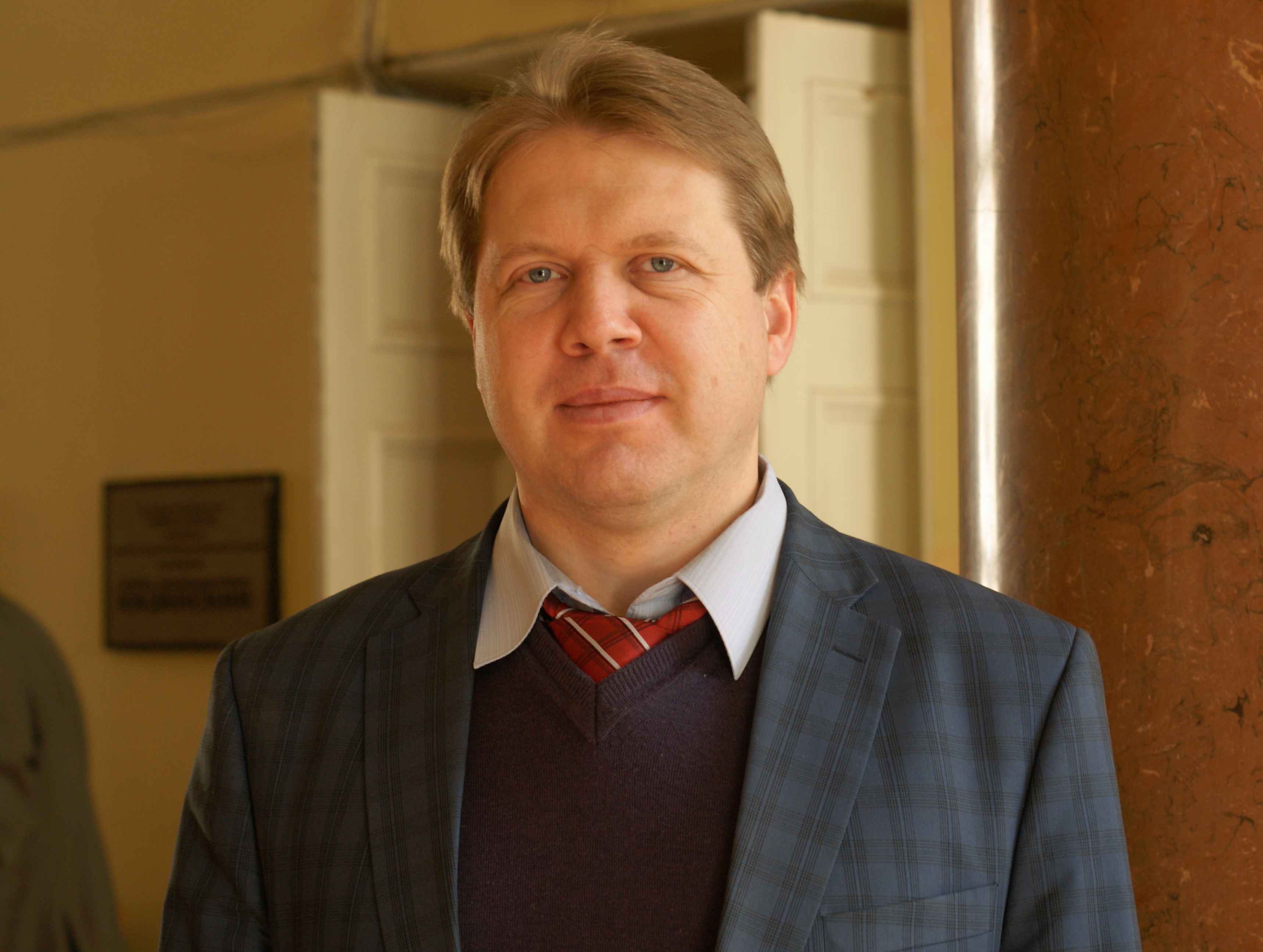
Alexander O Terentev
N D Zelinsky Institute of Organic Chemistry- RAS, Russia
Co Chair
11:15-11:40
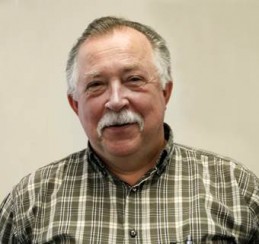
Vladimir P Torchilin
Northeastern University, USA
Title: Next step in drug delivery: Getting inside cells and to individual organelles
11:15-11:40
Biography
Vladimir P Torchilin PhD, DSc is a University Distinguished Professor of Pharmaceutical Sciences and Director, Center for Pharmaceutical Biotechnology and Nanomedicine, Northeastern University, Boston. His interests include drug delivery and targeting, nanomedicine, multifunctional and stimuli-sensitive pharmaceutical nanocarriers, biomedical polymers, experimental cancer therapy. He has published more than 400 original papers, more than 150 reviews and book chapters, wrote and edited 12 books and holds more than 40 patents. Google Scholar shows more than 55,000 citations of his papers with H-index of 105. He is Editor-in-Chief of Current Drug Discovery Technologies, Drug Delivery and Open Nano, Co-Editor of Current Pharmaceutical Biotechnology and on the Editorial Boards of many other journals. He received more than $30 M from the governmental and industrial sources in research funding. He has multiple honors and awards and in 2011, Times Higher Education ranked him number 2 among top world scientists in pharmacology for the period of 2000-2010.
Abstract
There are already some means to deliver drugs inside cells by passing the lysosomal degradation. Thus, coupling of cell-penetrating peptides (CPP) to various molecules, including peptides and proteins, or even to nanoparticles, such as liposomes, dramatically facilitates their intracellular delivery. Similar effect could be achieved using phage coat fusion proteins purified from the phages selected for their specificity towards certain target cells as was shown with liposome-loaded anticancer drugs. The combination of targeted delivery of drug-loaded nano preparations to target cells and their subsequent delivery inside cells might still further improve the efficiency of therapy. Intracellular drug delivery with subsequent organelle targeting opens new opportunities in overcoming problems associated with multiple pathologies including lysosomal storage diseases and multidrug resistance (MDR) tumors. Delivery of deficient enzymes for the treatment of lysosomal diseases evidently requires specific targeting of lysosomes, while facilitating apoptotic cell death in MDR tumor would require targeting of mitochondria or lysosomes. Thus, next generation drug delivery systems should be able to target individual organelles inside cells. Clearly, this challenge will require some novel approaches in engineering multifunctional nanomedicine, capable of accumulating in the target tissue, penetrating inside cells, bypassing lysosomes, and bringing pharmaceuticals to individual organelles. Examples of specific targeting of pharmaceutical nanocarriers loaded with pharmaceutical agents to lysosomes and mitochondria in cells illustrate the benefits of this new approach.

11:40-12:05
Muna Abubaker
University of Salford, UK
Title: Nanoparticle delivery system for emetine di-hydrochloride as an effective option for malaria treatment
11:40-12:05
Biography
Muna Abubaker is a Veterinary Graduate who went on to gain a First-Class degree in Biomedical Sciences from the University of Salford (2014). She was awarded Pathways to Excellence PhD studentship to pursue a PhD in Antimalarial Drug Discovery. She has completed her PhD in 2018. She presented her research at leading national and international parasitology conferences throughout her PhD, including oral and poster presentations at the British Society for Parasitology Conference, American Society of Tropical Medicine and Hygiene Conference and the Natural Product Drug Conference (2017) where she was awarded the Best Poster Prize. She was also awarded the best poster and best oral presentations at the University Salford SPARC conference 2017. She recently co-authored a publication in Nano Medicine titled: Bio-inspired artemether-loaded human serum albumin nanoparticles for effective control of malaria-infected erythrocytes. She is currently finalizing two further manuscripts in order to publish the novel findings from her PhD.
Abstract
The field of drug development experiences very low success rates concerning drugs that enter the market. The major disadvantages of conventional antimalarial drugs are the development of multiple drug resistance and nonspecific drug targeting, resulting in the need for high dose administration and subsequent intolerable side effects that ultimately lead to patient non-compliance. To counteract these trends, research has been done in nanotechnology for the development of new biocompatible systems capable of incorporating drugs, lowering the resistance progress, control and treatment of malaria by target delivery. Targeting drugs specifically to their site of action would indeed enable optimal concentration in parasite-infected RBC. Various materials have been used in the formulation of nanoparticles for drug delivery research. Among these, nanoparticles prepared with proteins are biocompatible, biodegradable, non-antigenic, and relatively easy to prepare. We will present here preliminary data investigating the potential of human serum albumin nanoparticles in enhancing the treatment efficacy of antimalarials. Our preliminary validation data on artemether-loaded HSA nanoparticles show a 50% reduction in the IC50 values against P. falciparum K1 in comparison to drug only controls. Therefore, the current study was undertaken to define the efficacy of human serum albumin (HSA) as a nano carrier strategy to improve and enhance treatment efficacy and reduce non-target side effects for emetine; a drug that discovered through repositioning method at University of Salford. Our in vitro results indicated that emetine-loaded HSA nanoparticle permitted ~70% dose reduction compared to emetine only controls. It is expected that this study will eventually lead to a better understanding of nanotechnology delivery system and provide insights into new strategies for developing smart, well-tolerated, and efficacious therapeutic that could be a future ultimate way to cure this disease.

12:05-12:30
Essam Ghanem
Celyad Biopharmaceutical, Belgium
Title: Pharmaceuticals pharmacovigilance system compliance: Are you ready for authorities inspection?
12:05-12:30
Biography
Essam Ghanem is an experienced Physician and European Qualified Person for Pharmacovigilance (EU-QPPV). He has around 28 years of experience in clinical research and drug development in academic institutes, pharmaceutical industry and contractual research organisations. He has almost 8 years working experience as EUQPPV and International Speaker in the field of pharmacovigilance system compliance and risk mitigation. He is the Head of Pharmacovigilance and Chief Medical Officer at the pharmacovigilance consultation company VIGI-CARE.BVBA located in Belgium.
Abstract
Risk mitigation during medicinal products life cycle requires the marketing authorisation holders and the marketing authorisation applicant to have a compliant pharmacovigilance system in place. This necessitates effective monitoring of the pharmacovigilance quality management system. The pharmaceuticals` management strategy should ensure their readiness for authorities’ inspection. The authorities’ inspections metrics revealed that compliance rate needs to be optimised via incorporated standardised parameters and well identified compliance metrics for the conducted pharmacovigilance activities. This presentation will provide an overview of the major observations created during authorities` inspection, focusing on the key factors required to ensure effectiveness of the pharmacovigilance system. The pharmacovigilance strategies driven by pharmaceuticals require compliance rate improvement, aiming to minimise authorities’ inspections critics.

12:30-12:55
Dushkin Alexandr Valerevich
Institute of Solid State Chemistry SB RAS, Russia
Title: Improvement of drugs efficiency by mechanochemically obtained nano particulated delivery systems
12:30-12:55
Biography
Dushkin A V Educational background: 1972 – Novosibirsk State University, Department of Chemistry; 1977 - Ph.D; Institute of Chemical Kinetics and Combustion, Novosibirsk, Russia; 2006 -Doctor of chemical sciences, State University of Chemical Technology, Ivanovo, Russia; 2008-2018 – Professor, Correspondent member, Academician of Russia’s Academy of Natural History. Institutional Affiliations: 1986 - present – Institute of Solid State Chemistry, Novosibirsk, Russia, Heading researcher, Head of scientific group. ~ 380 publications Research Interests: Supramolecular Chemistry, Mechanochemistry, Drug Delivery
Abstract
Newest results of application areas and advantages of mechano chemical technology of drug modification are considered. The main approach for pharmacy is based on preparation of solid disperse systems of pharmaceutics substances with different auxiliaries oligo and polysaccharide, plant’s saponins, synthetic polymers, amorphous silica substances. After dissolution in water they form supramolecular nanoscale formations such as inclusion complexes, micelles and nanoparticles which containing drug molecules as «guest-host» types. Noted processes provide sufficiently increase of solubility, bioavailability and pharmacology action (lowering of meaning doses in 2-100 folds) of drug. Examples of drugs investigated
13:55-14:20
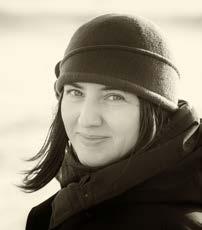
Alyabyeva Zhanna Yurievna
Pirogov Russian National Research Medical University, Russia
Title: Nanocationite [25Mg]PMC16: Experimental research of topical use in adrenalin induced glaucoma
13:55-14:20
Biography
Dr Alyabyeva has completed her PhD in Ophthalmology as well as postdoctoral studies at Pirogov Russian National Research Medical University. She worked as a professor of ophthalmology in National Medico-Surgical Center by N.I. Pirogov and practicing ophthalmologist in Moscow Glaucoma Center, now she is a leading researcher in the Scientific Research Group of Glaucoma and Dystrophic Eye Disease (Pirogov Russian National Research Medical University) and laser surgeon in Laser Ophthalmology Department (Moscow City Hospital #15 named by O.M. Filatov). She has published more than 50 papers in reputed journals.
Abstract
Mitochondrial oriented medicines are perspective for the glaucomatous optic neuropathy treatment. Fullerene-based low toxic nanocationite particles (PMC16) with 25Mg2+ belong to the abovementioned group. Nanoparticles of a magnetic isotope of magnesium (25Mg-PMC16) are characterized by low toxicity and membranotropic antioxidant effect. Positive antiapoptotic and antioxidant effects of Mg, fullerene, and porphyrin that exist within structure of this nanoparticle have been previously known. The aim of the work was to determine the opportunity of the intraocular use of 25Mg-PMC16 in healthy rabbits (10 µg, 100 µg and 1000 µg) and in case of adrenalin induced glaucoma (10 µg) as well as intraocular pressure (IOP) dynamics and eye tissue reaction for the intracameral and intravitreal injection of 25Mg-PMC16 .The eyes were characterized in vivo by means of biomicroscopy and direct ophthalmoscopy, post mortem - by light microscopy, IOP was measured by Maklakov tonometer. Results: there were no inflammation or toxic reaction by in vivo control and histologic examination in all doses of the nanocationite. Temporal mild IOP increase was found in the case of 10 µg of PMC16 with Mg252+ use in the group of rabbits without ocular hypertension, and IOP decreased in rabbits with ocular hypertension. Conclusion: the dose 10 µg of nanocationit PMC16 with Mg25 2+ is safe (induce no inflammation or toxic reactions) for the intracameral and intravitreal use and does not opacificate optic media, decreasing intraocular pressure in the eyes with elevated IOP and moderately increasing it in the eyes with low IOP during the period of 14 days after the injection.

14:20-14:45
Olga V Dementeva
Frumkin Institute of Physical Chemistry and Electrochemistry of RAS, Russia
Title: One-pot synthesis and loading of silica nanocontainers using surface active drugs as templating agents
14:20-14:45
Biography
Olga V Dement’eva has obtained her PhD in Physical Chemistry at Frumkin Institute of Physical Chemistry and Electrochemistry of Russian Academy of Sciences (IPCE RAS). She is the Leading Researcher of Laboratory of Surface Phenomena in Polymer Systems at IPCE RAS. She has published more than 60 papers in reputed journals. Her main research interest is the creation of drug delivery systems based on the mesoporous silica nanoparticles.
Abstract
Mesoporous silica nanoparticles (MSNs) are of significant interest as vehicles for different drugs. The main route to their producing is a gel-sol synthesis using inert surfactant micelles as a template. After the synthesis is completed, a micellar template is removed, while the obtained MSNs are loaded with a targeted substance. This route results in low drug uptake and its burst release that are insufficient for the most applications. We propose a new approach that overcomes these drawbacks. This approach is based on the use of targeted drug itself (instead of inert surfactant ones) as templating agent at MSNs synthesis. As a result, it becomes possible to combine the stages of silica nanocontainers synthesis and their loading with the targeted drug. The prospects and benefits of the approach are exemplified by the encapsulation of surface active bactericidal drug - benzyldimethyl[3-(miristoilamino)propyl]ammonium chloride, known under the trade name of Myramistin. It is shown that the synthesized mesoporous nanocontainers are characterized by an extremely high drug content (about 1 g and over per 1 g of SiO2) and are also pH-sensitive. The release of the encapsulated drug from the silica nanocontainers is studied and some features of this process are discussed. The bactericidal activity of encapsulated Myramistin against the Staphylococcus aureus is evaluated. Moreover, it is shown that it is possible to create the so-called protocells by self-assembly of lipid bilayers on the surface of nanocontainers in which the drug is loaded.

14:45-15:10
Ruey-an Doong
National Chiao Tung University, Taiwan
Title: Multifunctional graphene quantum dot-concanavalin A@Fe3O4 nanocomposites for targeted drug delivery and cancer cells detection
14:45-15:10
Biography
Ruey-an Doong is a Chair Professor in the Institute of Environmental Engineering, National Chiao Tung University Taiwan. His current research interest includes the fabrication of nanomaterials with novel optical and electrochemical properties for biosensing of analytes, drug delivery system, environmentally benign nanotechnology for treatment of contaminants, and porous materials for energy storage and conversion. He has published over 170 papers with 6500+ citations and h-index of 46.
Abstract
Multifunctional nanocomposites containing intrinsic property for serving as the sensing elements as well as targeted nano conjugates are highly preferred in various therapeutic applications. In this work, nanocomposites of graphene quantum dots (GQDs) and Fe3O4 with conjugation of lectin protein, concanavalin A, to form GQD-ConA@Fe3O4 nanocomposites are developed for both detection of cancer cell and release of drugs to HeLa cells. The GQD-ConA@Fe3O4 nanocomposites deposited on Pt electrode can specifically detect cancerous HeLa cells over normal endothelial cells with a dynamic linear range of 5×10² to 1×10⁵ cells mL-1. The GQD-ConA@Fe3O4 also can serve as nanocarriers for loading and delivering doxorubicin (Dox). The in vitro cell images show that the Dox concentration in HeLa cells is enhanced more than double in the presence of external magnetic field due to the incorporation of Fe3O4 in the nano carrier. The cytotoxicity assay indicates that the susceptibility of cancerous HeLa cells to Dox is 13% higher than that of normal cells, confirming the selective role of concanavalin A (ConA) in nanocarriers. Results clearly indicate the GQD-ConA@Fe3O4 nanocomposites as a promising material for cancer cell detection and targeted Dox release toward HeLa cells which can serve as the multifunctional platform for novel cancer cell diagnostic and therapeutic applications.

15:10-15:35
Jayvadan K Patel
Sankalchand Patel University, India
Title: Brain-targeted Tempol/ α-tocopherol -loaded poly-(lactide-co-glycolide) nanoparticles using the supercritical fluid technique
15:10-15:35
Biography
Abstract
Brain-targeted tempol/α-tocopherol -loaded poly-(lactide-co-glycolide) (PLGA) nanoparticles (NPs) conjugated with a transferrin antibody (OX 26) were developed using the supercritical fluid technique. These NPs may have utility in treating neurodegenerative diseases such as Parkinson’s disease. Central to these diseases is an increased production of reactive oxygen and nitrogen species which may take part in the development of these conditions. PLGA-b-PEG polymer conjugation was carried out using 1-ethyl-3-(3-dimethylaminopropyl)-carbodiimide (EDC)/N-hydroxysuccinimide (NHS) chemistry. PLGA-b-PEG NPs were developed using supercritical fluid technique. PLGA-PEG-maleimide NPs was prepared for antibody conjugation with tempol and α-tocopherol. To enhance the delivery of NPs to the central nervous system (CNS), the transferrin antibody was covalently attached to PLGA NPs by sulfhydryl-reactive groups with a PEG-maleimide cross linker. As proof of principle, the NPs were loaded with tempol and α-tocopherol, a free radical scavenger that has been shown to be protective against oxidative insults. The NPs showed a particle size suitable for blood brain barrier (BBB) permeation (particle size 50-80 nm) and demonstrated sustained drug release behaviour up to one week.
15:50-16:15
15:50-16:15
Biography
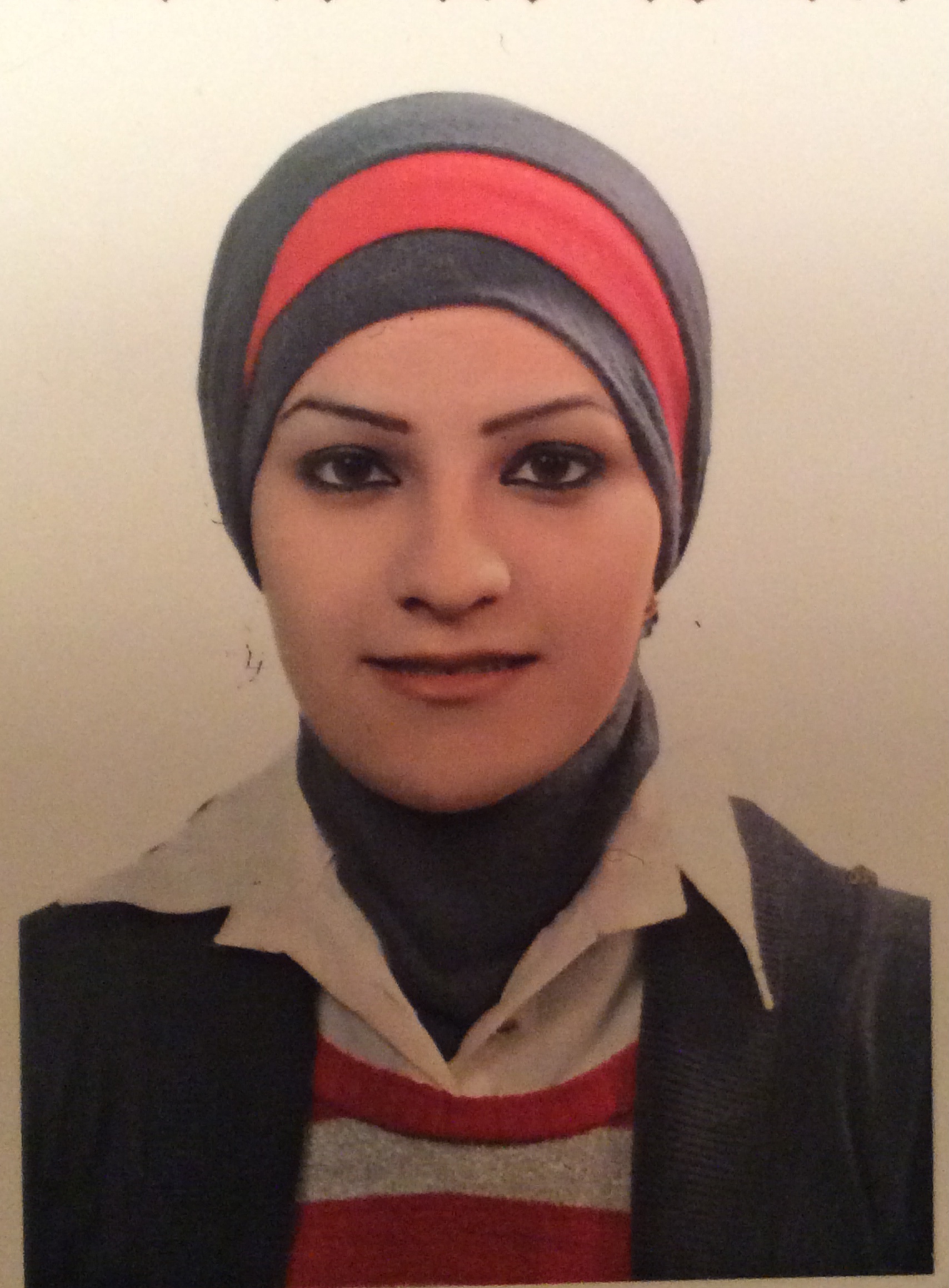
Tamara Zwain has completed her PhD in the School of Pharmacy and Biomedical Sciences University of Central Lancashire in the UK. She has worked alongside Professor Kamalinder Singh and Dr. Jane Alder in developing nanoparticles and functionalized nanoparticles for novel drug delivery to treat brain cancer and developing a selective treatment for glioblastoma. Also, she has worked in screening nanoparticles and aptamers through 2D cell lines, 3D spheroids and 3D in-vitro BBB models and her research interest are developing in-vitro 3D models and nanoparticles for novel drug delivery.
Abstract
Approximately 54% of all malignant brain tumor patients are diagnosed with glioblastoma (GB). The major clinical challenge in the treatment of GB is the permeation of the blood-brain barrier (BBB). Docetaxel (DTX) is a hydrophobic anticancer drug that is used alone and in combination with other drugs to treat tumors, however, it suffers from the drawback of non-specific cytotoxicity. To address these clinical challenges and improve the therapeutic potential of DTX this project aimed to develop a nanostructure lipid carrier (NLC) loaded with DTX and functionalized with a selective aptamer (SA43) for specific targeting of GBs that can pass the blood-brain barrier (BBB). In this study, the developed DTX-NLC and SA43-DTX-NLC were demonstrating a low particle size and uniform distribution. DTX-NLCs were characterised with high drug content and encapsulation efficiency and stability for up to six months in a freeze-dried form. The functionalized NLCs with the SA43 aptamer (SA43-DTX-NLC) exhibited more toxicity than DTX-NLC when a patient-derived short-term culture (BTNW911) cells line were treated, and similar activity when a grade IV glioblastoma cell lines (U87MG) where treated, interestingly the SA43-DTX-NLC found to be significantly less toxic towards the non-cancerous brain cell lines (SVG P12) when compared with DTX and DTX-NLC. The uptake and internalization results demonstrated the selectivity of SA43-DTX-NLC towards glioblastoma U87MG cells with the highly significant difference in fluorescent intensity when compared to non-cancerous cell line SVG P12. The in-vitro BBB model was characterized by high TEER measurements and a significant increase with time (regularly over 260 Ohm/cm2), indicating that the model was suitable for testing the interaction between the BBB and potential drug candidates. This study displayed the ability of DTX-NLC and SA43-DTX-NLC to permeate through the in-vitro BBB model and uptake by glioblastoma U87MG monolayer cells. This study will contribute to solving some of chemotherapeutic drug delivery drawbacks in passing the BBB and targeting brain cancer glioblastoma.
Day2: October 5, 2018
Keynote Forum

10:00-10:30
Yong-Xi Li
Medpace Bioanalytical Laboratories, USA
Title: Challenge in bioanalytical methodology for long-acting delivery therapies
10:00-10:30
Biography
Yong-Xi Li has completed his Postdoctoral trainings at Kansas State University, Cornell University, USA. Currently he is an Executive Director at Medpace Bioanalytical Laboratories after he served as Vice President at XenoBiotic Labs and Ricerca Bioscience. His experiences are focusing on bioanalysis: Toxicokinetic (TK), Pharmacokinetic (PK), anti-drug antibody (ADA), neutralising antibody detection (Nab) (and cell base Nab), and pharmacodynamic (PD) markers including method developments, validations, sample analysis for small molecule, protein and antibody therapies. He and his group developed many such applications by using LC-MS/MS and immunoassays (ELISA, ECL and flow cytometry). He is author, co-author of more than 150 papers, book, presentations in reputed journals, and conferences. He is also serving as an Organizing Committee Member for one of biotech conferences.
Abstract
Long-acting therapies always attract many scientists’ attentions and they are also the most important drug research and development areas as well. For example, especially in diabetic and oncology fields etc. long-acting medicines will play an important role on all aspects of improving the diseases and reducing patient’s sufferings. However, challenge in bioanalytical methodologies for such specially formulated drugs are significant, especially for determination of concentrations of the drugs, and as well as their metabolites in plasma, serum or tissue. Therefore, development of a reliable bioanalytical method will be extremely important for the pharmacokinetic/pharmacodynamic (PK/PD) clinical studies and for pre-clinical studies in the drug development processes. In this presentation, the bioanalytical methods developed in our laboratories and their related results for long-acting insulin analogue-glargine (Lantus) and liposomes formatted doxorubicin will be introduced. Especially when high sensitivity LC-MS/MS systems are used in the methods, the challenges in biofluid extraction procedures, HPLC conditions, and as well as parameters for mass spectrometry are discussed as examples. For such successfully developed and validated methods following US FDA and European EMA guidance, they are successfully used in clinical trial studies for their PK/PD assessments
10:30-11:00
10:30-11:00
Biography
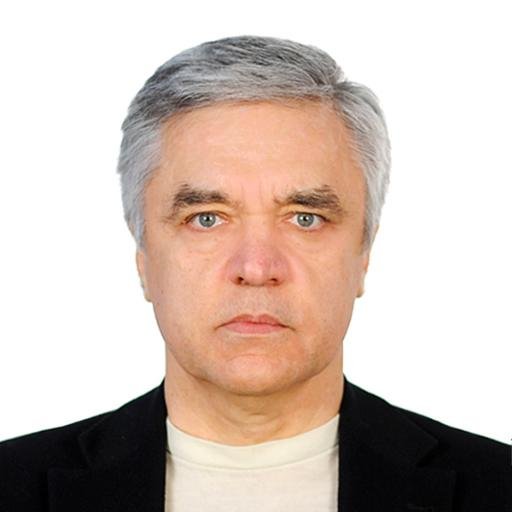
Sergey Suchkov graduated from Astrakhan State Medical University and was awarded with MD and maintained his PhD and Doctor’s degree. He was working for Helmholtz Eye Research Institute and Moscow Regional Clinical Research Institute. He was a Secretary-in-Chief of the Editorial Board, Biomedical Science, an international journal published jointly by the USSR Academy of Sciences and the Royal Society of Chemistry, UK. Currently, he is a Director of Center for Personalized Medicine, Sechenov University; Chair of the Department for Translational Medicine, Moscow Engineering Physics University and Secretary General of United Cultural Convention, Cambridge, UK. He is a Member of the New York Academy of Sciences; American Chemical Society; American Heart Association; AMEE, Dundee, UK; EPMA, Brussels, EU; PMC, Washington, DC, USA and ISPM, Tokyo, Japan.
Abstract
A new systems approach to diseased states and wellness result in a new branch in the healthcare services, namely, personalized medicine (PM). To achieve the implementation of PM concept into the daily practice including clinical cardiology, it is necessary to create a fundamentally new strategy based upon the subclinical recognition of bioindicators (biopredictors and biomarkers) of hidden abnormalities long before the disease clinically manifests itself. Each decision-maker values the impact of their decision to use PM on their own budget and well-being, which may not necessarily be optimal for society as a whole. It would be extremely useful to integrate data harvesting from different databanks for applications such as prediction and personalization of further treatment to thus provide more tailored measures for the patients and persons-at-risk resulting in improved outcomes whilst securing the healthy state and wellness, reduced adverse events, and more cost effective use of health care resources. One of the most advanced areas in cardiology is atherosclerosis, cardiovascular and coronary disorders as well as in myocarditis. A lack of medical guidelines has been identified by the majority of responders as the predominant barrier for adoption, indicating a need for the development of best practices and guidelines to support the implementation of PM into the daily practice of cardiologists! Implementation of PM requires a lot before the current model “physician-patient” could be gradually displaced by a new model “medical advisor-healthy person-at-risk”. This is the reason for developing global scientific, clinical, social, and educational projects in the area of PM to elicit the content of the new branch.
Tracks
- Pharmacokinetic and Pharmacodynamic Studies | Smart Materials for Drug Delivery | Protein, Peptide and Gene Drug Delivery | Recent Advances in Drug Delivery Systems | Drug Delivery Vechiles | Nanoparticles: Innovations and Trends
Location: Ekaterina 2

Yong-Xi Li
Medpace Bioanalytical Laboratories, USA
Chair
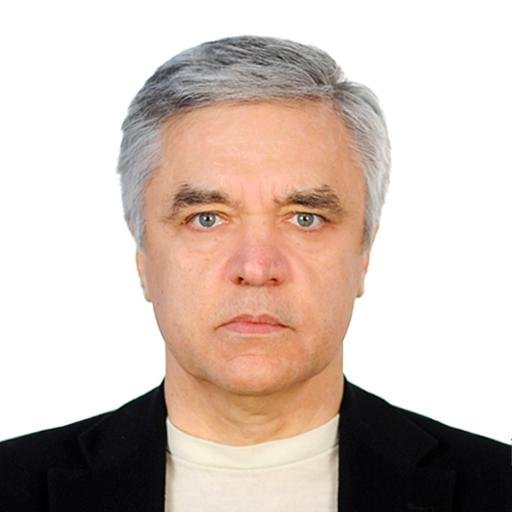
Sergey Suchkov
Sechenov University
Co Chair
11:15-11:40
11:15-11:40
Biography
D Mavrilas is an Associate Professor of Biomedical Engineering in the University of Patras, Greece. He has completed his PhD in Biomechanics from the University of Patras. He has published more than 30 papers in the fields of Biomechanics and Biomaterials, as well in Scaffolds for Tissue Engineering.
Abstract
Aim of this work is to develop a novel scaffold for tissue engineering (TE) applications incorporating a drug delivery system. Electrospinning is an emerging technology for the production of fibrous biodegradable polymeric scaffolds. Polyvinyl alcohol (PVA) is a biodegradable, biocompatible polymer, demonstrating a fast hydrolytic degradation rate, suitable for cell viability and function. Liposomes have received widespread attention as carriers of therapeutically active compounds due to their unique characteristics, e.g. incorporation of hydrophilic and hydrophobic drugs, good biocompatibility and targeted delivery of bioactive compounds to the action site. Combination of liposomes with PVA nanofibers may result in a scaffold with high efficiency in tissue regeneration as the controlled degradation and high surface-to-volume ratio of nanofibers, make them excellent carriers for therapeutic or tissue regeneration agents. In the present work we produced PVA membranous scaffolds enriched with calcein-loaded liposomes, where calcein was used as the fluorescent marker (at 100 mM where its fluorescence is quenched). The liposomal composition that we used was 1,2-distearoyl-sn-glycero-3-phosphocholine: cholesterol- [DSPC/Chol] in ratio 1:1 mol/mol. We showed that blend electrospinning of PVA leads to successful incorporation of liposomes into the fibers with highly retained encapsulation efficiency. Morphology of the fibers was examined by SEM. The fiber diameters ranged from 200 to 300 nm, presenting a good morphology. To confirm the successful incorporation of liposomes, we visualized the fibers using confocal laser scanning microscopy. The stability of the liposomes embedded on the electrospun fibers, was determined fluorometrically by measuring the calcein retention in liposomes (latency). It was proven that the embedded liposomes exhibited a high and constant retention rate of the calcein from the nanofibers. Given the combined properties of liposomes and nanofibers, the above system could serve as a convenient delivery vehicle for a number of biologically active compounds in tissue engineering and regenerative medicine.
11:40-12:05
Biography
Sergey Suchkov was born in the City of Astrakhan, Russia, in a dynasty of medical doctors, graduated from Astrakhan State Medical University and was awarded with MD. Then maintained his PhD and Doctor’s Degree. And later was working for Helmholtz Eye Research Institute and Moscow Regional Clinical Research Institute (MONIKI). Dr Suchkov was a Secretary-in-Chief of the Editorial Board, Biomedical Science, an international journal published jointly by the USSR Academy of Sciences and the Royal Society of Chemistry, UK. At present, Dr Sergey Suchkov is: A Director, Center for Personalized Medicine, Sechenov University, (ii) Chair, Dept for Translational Medicine, Moscow Engineering Physical University (MAPhI) and (iii) Secretary General, United Cultural Convention (UCC), Cambridge, UK. A Member of the: New York Academy of Sciences, American Chemical Society (ACS), American Heart Association (AHA), AMEE, Dundee, UK; EPMA, Brussels, EU; PMC, Washington, DC, USA and ISPM, Tokyo, Japan.
Abstract
Protein quantification by targeted proteomics relies on mass spectrometry and isotope-labeled internal standards. In addition to traditional standards comprised of either recombinant proteins or synthetic peptides, artificial proteins composed of concatenated peptides (Q conCATs) have been introduced as a conceptually new material for use as an internal standard. The design, expression, characterization and some application of Q conCATs have been thoroughly described in the set of original papers from Beynon’s laboratory. The focus of this presentation is to describe two new trends in the use of Q conCATs as internal standards: (i) the need of natural flanking sequences for every Q-peptide included in the Q conCAT and (ii) the benefits of stoichiometric incorporation of post-translational modifications in the Q conCAT. These developments in Q conCATs have not received much attention so far, but show great promise for future advances in targeted proteomics. On the application side, the focus of this presentation is on expression of various protein isoforms that can be indicative of pathological changes associated with Alzheimer’s disease. Selective quantification of individual protein isoforms has been always a challenge, because they simultaneously possess common and unique amino acid sequences. We developed a Q conCAT for quantification of various isoforms of amyloid precursor protein (APP). APP-Q conCAT includes tryptic peptides that are common for all isoforms of APP concatenated with those tryptic peptides that are unique for specific APP isoforms. Isotope-labeled APP-Q conCAT was expressed, purified, characterized and further used for quantification of total APP, APP695, APP305, and amyloid-β in the human frontal cortex from control and severe Alzheimer’s disease donors. Potential biological implications of our quantitative measurements are discussed.
12:05-12:30
Biography
Ayse Nur Oktay is a Research Assistant of Pharmacy Faculty at Gazi University in Turkey. She is a PhD student at Gazi University Department of Pharmaceutical Technology under the mentorship of Professor Dr. Nevin Çelebi. Her research is focused on nano suspension, high pressure homogenization technique, nanogel, skin permeability studies, quality by design and drug delivery. She is an Inventor of two project which are supported by Scientific Research Project Foundation of Gazi University and The Scientific and Technological Research Council of Turkey. She has 3 oral presentation in 2017; about nano suspensions at “7th BBBB International Conference on Pharmaceutical Science - New Trend and Achievements in Pharmaceutical Sciences and Pharmacy Practice, Balatonfüred/Hungary” and at “2nd International Gazi Pharma Symposium Series, Ankara/Turkey” and about nanogels at the “2nd International Conference on Natural Products for Cancer Prevention and Therapy, Kayseri, Turkey”
Abstract
In pharmacy, most of the attention is focused on improved dermal delivery of poorly soluble drugs. The skin which is the biggest organ in our body has great importance because it provides protection of the organism against environmental factors and organization of body heat and water loss. Thus it forms a suitable region for drug application with its large surface area to obtain local and systemic effects. There are many advantages of dermally application, such as reducing gastrointestinal side effects, providing drug accumulation at the specific region, self-administration of the patient, high patient compliance compared to other drug delivery routes. However, especially stratum corneum layers of skin plays a critical role in limiting the delivery of most drugs, thus the drug permeation through the skin becomes a rate limiting step for absorption. In recent years, several methods have been examined to increase the permeation of drugs into or through the skin. One of the promising approaches is the use of nanoparticulate delivery system such as nanosuspension, solid lipid nanoparticles, nanogels etc. Nanonization of drug particles (100-1000 nm) increase its surface area, dissolution, saturation solubility, permeability and final results is high dermal bioavailability. In our studies, Flurbiprofen (FB) was selected as a model drug which is one of the nonsteroidal anti-inflammatory drugs and it is used to treat gout, arthritis, rheumatoid arthritis and sun burn. But it has low water solubility (BCS Class II). To improve its solubility and thus permeability in or through the skin, FB nanoformulations (nano suspensions and nano gels) were successfully obtained for dermally application. These studies demonstrated that nano formulations are very effective for improving dermal bioavailability of lipophilic drug substances.
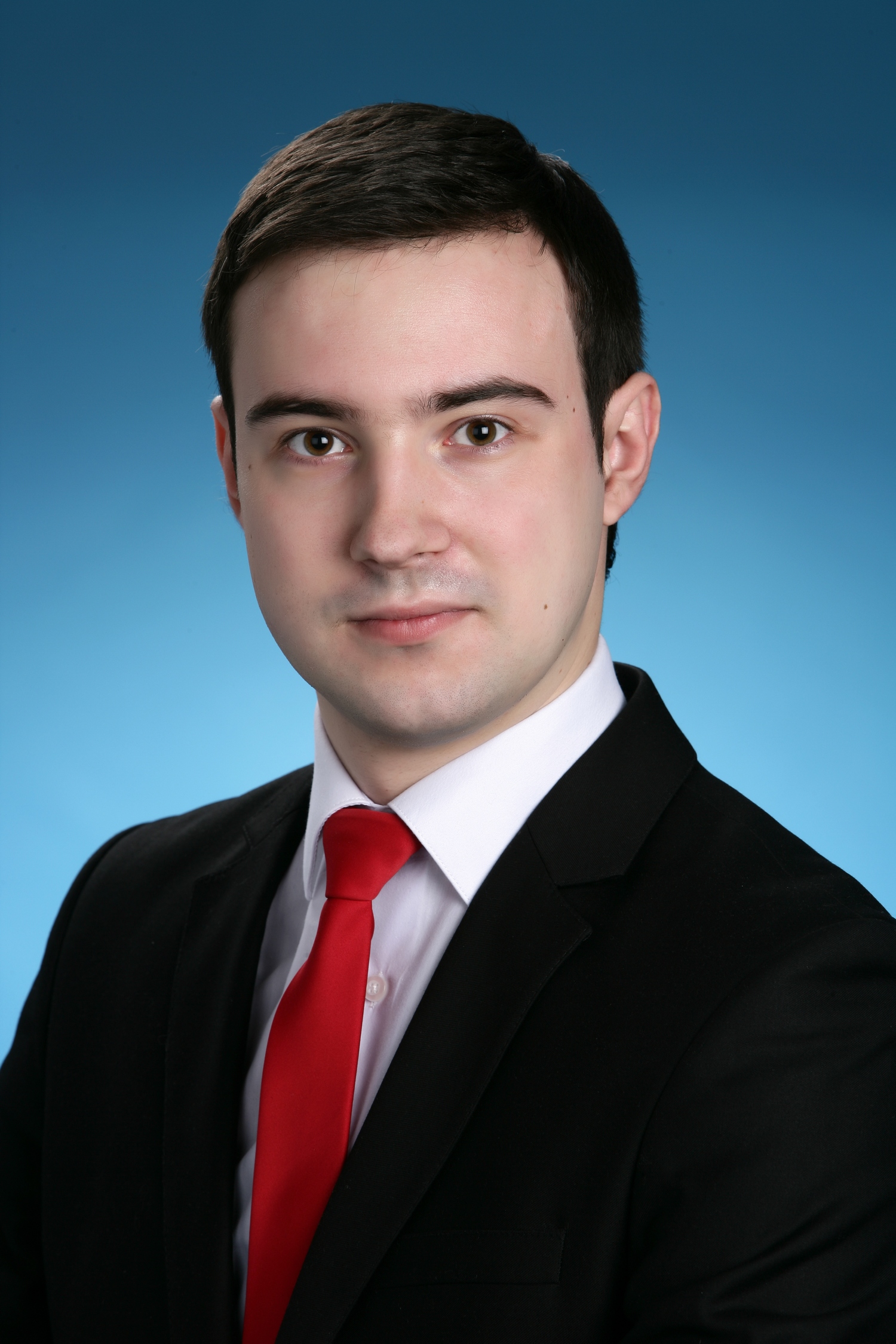
12:30-12:55
Ilya Yakavets
Belarusian State University, Belarus
Title: Temoporfin in cyclodextrin in liposome nanoparticles for tumor targeting
12:30-12:55
Biography
Ilya Yakavets is a co-directed PhD student in Belarussian State University (Minsk, Belarus) and in the Université de Lorraine (Nancy, France). He defended his Master’s degree in Belarussian State University (Minsk, Belarus) in 2016 in the field of Biophysics. Currently, his PhD research focuses on the application of hybrid nanosized photosensitizer carrier based on liposomes and cyclodextrins in photodynamic therapy. The current abstract describes a part of the results of his PhD study related to the development and application of drug-in-cyclodextrin-in-liposome nanoparticles for improved delivery of mTHPC to the tumor targets. The presentation of this PhD project at BioSE Doctoral School (Nancy, France) was awarded by the first prize in 2017. He has published his results in 6 articles in international peer-review journals. His main research interests include: photodynamic therapy, photoactive drugs, multicellular tumor spheroids, cyclodextrin inclusion complexes.
Abstract
Application of meta-tetra(hydroxyphenyl)chlorin (mTHPC), one of the most potent photosensitizer (PS), in the photodynamic therapy (PDT) of solid tumors encounters several complications originating from its poor solubility in aqueous medium. It requires low light doses and concentrations to be photoactive; however mTHPC aggregation results in reduced photodynamic activity, moderate selectivity and skin photo sensitivity. To improve the transport of mTHPC to target tissue and to strengthen its intra-tissue accumulation, the coupling of two independent delivery systems by encapsulating cyclodextrin/mTHPC inclusion complexes into liposomes to achieve drug-in-cyclodextrin-in-liposome (DCL) nanoparticles has been proposed. Liposomes offer an excellent opportunity to achieve selective drug targeting which is expected to optimize the pharmacokinetic parameters, prevent local irritation, and reduce drug toxicity. In its turn, cyclodextrin-based inclusion complexes have been already utilized as independent carriers for improvement of mTHPC delivery into the tumor tissue. Thus, the aim of this study was to evaluate the effect of DCLs on mTHPC distribution in vitro tumor models. After optimization of DCL composition, we choose TDCL double loaded nano construct including trimethyl-β-cyclodextrin/mTHPC inclusion complexes in the inner aqueous core and mTHPC molecules in lipid compartment. We studied mTHPC accumulation and localization in 3D tumor multicellular spheroid model. We demonstrated that the application of TDCL resulted in homogeneous distribution of mTHPC across the whole spheroid. Such efficient intra-tissue delivery is related to the extremely high binding of trimethyl-β-cyclodextrin to mTHPC that was confirmed by means of exclusion gel-chromatography.
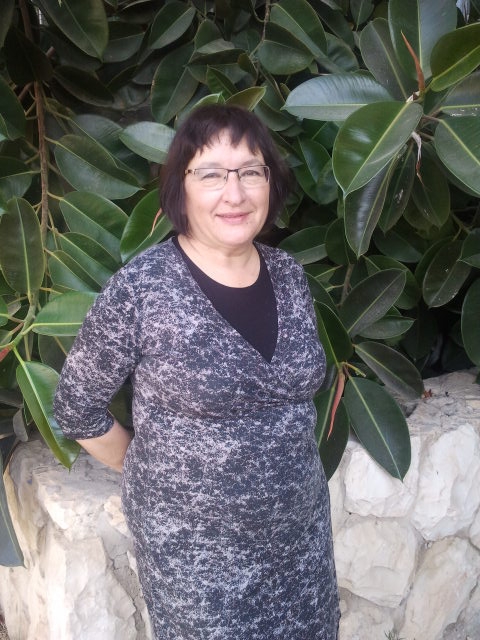
12:55-13:20
Ruth Belostotsky
Shaare Zedek Medical Center, Israel
Title: New approaches to drug design and drug delivery for the treatment of primary hyperoxaluria
12:55-13:20
Biography
Ruth Belostotsky acquired BA and MSc degrees in Chemistry from the Chemical Department of the Moscow State University, MSc in Molecular Biology in the Department of Biology, Technion, Haifa, Israel and PhD in Molecular Biology at the Hebrew University School of Medicine, Jerusalem, Israel. She did her Postdoctoral research in the laboratory of Professor Haya Lorberboum-Galski at the Hebrew University School of Medicine. Currently she is the Head of Pediatric Nephrology Lab at the Shaare Zedek Medical Center in Jerusalem. Among her latest accomplishments are finding that mutations in: a previously uncharacterized gene, HOGA1 cause primary hyperoxaluria type 3, unrevealing the biochemical mechanisms of glyoxylate metabolism, discovering that mutations in the gene encoding mitochondrial seryl-tRNA synthetase cause HUPRA syndrome and others. Her laboratory is currently investigating the biochemical and cellular aspects of the primary hyperoxaluria and searching for approaches to treatment of this group of disorders, as well as looking for novel genes critical for normal kidney function.
Abstract
Primary hyperoxaluria type 1 (PH1) is a rare, autosomal recessive metabolic disorder caused by mutations in the hepatic alanine-glyoxylate aminotransferase (AGT). Defective AGT results in excessive oxalate synthesis that induces urolithiasis, nephrocalcinosis and progressive kidney failure leading to end-stage renal disease. Combined liver-kidney transplantation is currently the only curative treatment approach, but is associated with significant morbidity, mortality and costs. Transplantation requires a medical infrastructure which is not available to most patients suffering from PH1 worldwide. Thus, there is an urgent need for new therapies besides transplantation. The following strategies for molecular therapy of PH1 are currently being developed: proteostasis regulation therapy by targeting pharmacoperones; adeno-associated virus (AAV)-mediated gene therapy with liver-specific AAV vectors for in vivo genome editing; cell therapy by hepatocyte transplantation; substrate reduction therapy through suppression activity of different enzymes from the glyoxylate pathway. This includes high-throughput screening for small molecules inhibitors as well as development of synthetic siRNAs targeting the endogenous mRNA transcript of a given gene, leading to its cleavage and subsequent depletion of the substrate for oxalate synthesis and; Enzyme replacement therapy by delivery of polymer-conjugated AGT proteins into the peroxisomal compartment. In this speech, the author will address the advantages and challenges of these strategies and the ways of treatment delivery applicable to individual approaches. We believe that coupling small molecule chaperones and inhibitors with protein-, cell-, and gene-based therapies may decrease excessive oxalate production. Effective treatment of this devastating inborn error of metabolism will become available in the near foreseeable future.

14:20-14:45
Suneel I Majagi
Gadag Institute of Medical Sciences, India
Title: Evaluation of anxiolytic activity of vitamin D-an experimental study
14:20-14:45
Biography
Suneel I Majagi is presently working as Professor and Head of Department of Pharmacology and as Vice Principal of Gadag Institute of Medical Sciences, Gadag, Karnataka, India. He has conducted various research projects as principal investigator/co-investigator and published 38 articles in reputed journals and has also authored a book. He has guided many postgraduate students. He is member of many professional bodies and has organised many faculty development programmes as Organising Chairman/Secretary. He has presented scientific papers in various conferences and is an Editor/Reviewer for many reputed journals. He has many awards and recognitions in to his credit. He is member of Board of Studies and Pharmacovigilance Committee.
Abstract
Background: There is a scarcity of animal studies regarding anxiolytic activity of vitamin D while there are some contradictory reports regarding anxiolytic activity of vitamin D in humans. Hence present study was planned with objectives to investigate: anxiolytic effect of vitamin D after single dose and after multiple doses as well as its interaction with a standard anxiolytic drug in animals.
Methods: Elevated plus maze and light-dark arena tests were used to evaluate anxiolytic activity of vitamin D in adult male Swiss albino mice. Vitamin D was administered in single and in multiple doses (n=6 in each group). In interaction studies, half the therapeutic equivalent dose of vitamin D was combined with sub-effective dose of alprazolam, a standard anxiolytic drug. Control group received 0.5 ml of 1% gum acacia. Locomotor activity of all the drugs used was tested by using open field test with the help of actophotometer. Data was expressed as Mean±SD and analyzed by using standard statistical tests. P<0.05 was considered to be statistically significant. Study was approved by the Institutional Animal Ethics Committee.
Results: In elevated plus maze test, administration of single dose of Vitamin D did not show any significant anxiolytic activity while multiple dose administration showed significant increase in number of entries into the open arms indicating some anxiolytic activity. There was no significant anxiolytic activity recorded in light-dark arena experiment. In interaction studies, combined treatment failed to show any significant anxiolytic activity. Results of open field test ruled out any influence of the drugs on locomotor system.
Conclusion: In the present study, administration of Vitamin D in multiple doses indicates some anxiolytic activity. Further studies are needed to confirm and elaborate the role of vitamin D in behavioural disorders like in anxiety.

14:45-15:10
Zahid Iqbal
Isra University, Pakistan
Title: Effect of apple cider vinegar and cinnamon (Cinnamomum cassia) in combination on lipid profile of mice
14:45-15:10
Biography
Zahid Iqbal is from Al-Nafees Medical College & Hospital - Isra University, Islamabad, Pakistan.
Abstract
This experimental study was conducted at the Department of Pharmacology, Al-Nafees Medical College and Hospital, Islamabad and animal house of National Institute of Health, Islamabad-Pakistan with the objective to evaluate synergistic effect of apple cider vinegar (ACV) and cinnamon (Cinnamomum cassia) on lipid profile of mice. For the study, 50 adult male Balap/c albino mice were randomly divided into 5 groups of 10 animals each. Group A (normal control) was given high cholesterol diet containing cholesterol powder 400 mg/Kg body weight (BW) for 60 days. Group B (treated control) was given simvastatin 0.6 mg/Kg BW, Group C (treated group-l) was given ACV 15% of animal feed, Group D (treated group-II) was given cinnamon powder 6 mg/Kg BW and Group E (treated group-III) was given combination of ACV and cinnamon along with high cholesterol diet. Treatment was started at 15th day of experimentation and continued for 6 weeks. Blood samples were collected at day 0, 15, 30, 45 and 60 of the experiment. On each sampling day, 02 animals from each group were anesthetized with chloroform and blood was drawn in sterilized tubes by direct heart puncturing and allowed to clot for 20 min then centrifuged at 4000 rpm for 15 min. Serum was isolated and lipid profile parameters including total cholesterol (TC), triglycerides (TG) and high density lipoprotein cholesterol (HDL-C) were measured using enzymatic kit method while low density lipoproteins (LDL-C) was calculated using Friedewald’s formula. The results of the study showed significant decrease in serum TC, TG and LDL-C at day 45 and 60 of experimentation with p-value≤0.05 when compared to normal control group. There was a decrease in serum HDL-C at day 15 in all groups due to induction of hypercholesterolemia, which was reversed in all treated groups at day 60 with maximum increase in HDL-C obtained in Group E. The results were highly significant (p-value≤0.05) when compared with normal control group. Based on the results of this study, it was concluded that the antihyperlipidemic effect of apple cider vinegar was significantly increased when used in combination with Cinnamomum cassia in male albino mice.
15:10-15:35
Fatemeh Farjadian
Shiraz University of Medical Sciences, Iran
Title: Smart nano-hydrogel as potent carrier in drug delivery
15:10-15:35
Biography
Fatemeh Farjadian has completed her PhD in 2012 from Shiraz University in the field of Polymer Chemistry and during her studies attended sabbatical leave in Duisburg-Essen University. She is a Faculty Member in Shiraz University of Medical Sciences and her scientific fields of studies are focused on synthesis of smart nanoparticles and evaluating their pharmaceutical trends. She has published more than 21 papers in reputed journals and has been serving as an invited author of book chapter entitled “Smart Stimuli-responsive Nano-sized Hosts for Drug Deliver” in the book of “Industrial Applications of Intelligent Polymers and Coating” from Springer publications.
Abstract
Among various dedicated nanoparticles for drug delivery applications, hydrogels have been mostly studied. Hydrogels are 3D structure with high water-content capacity that made up of hydrophilic polymers. In addition, hydrogels have significant physicochemical properties, such as permeability, porosity, physical interactions and some smart ones are capable to make response to environmental stimuli like temperature, pH and ionic strength. Poly vinyl caprolactam (PVCL) as one of the most extensively studied thermoresponsive polymer, has a continuous coil-to-globule phase transition behaviour with the lower critical solution temperature (LCST) ranging from 32 to 50°C, which depends on PVCL molecular weight and concentration. Herein, novel temperature and pH responsive hydrogel based on PVCL were prepared system via reversible addition-fragmentation chain-transfer polymerization, where poly(ethylene glycol) diacrylate served as cross-linker, and lysine used as temperature modifier and drug linking agent. The as prepared platform was characterized by 1H NMR and FT-IR and molecular weight characterization was performed by size exclusion chromatography. Doxorubicin, as an anti-cancer drug was conjugated to lysine moiety of as-prepared structure via Schiff-base reaction. The temperature-responsiveness activity was evaluated via differential scanning calorimetry and dynamic light scattering. The morphology changes in regard of temperature changes were observed by transmission electron microscopy. In vitro release pattern in simulated medium of healthy organs and tumor site was evaluated. The anti-cancer efficiency of drug conjugated structure was assessed in breast cancer cell line (MCF-7) in 24 and 48 h, and cell uptake assay was performed on the same cell line.
15:35-16:00
Biography
Anika Staack has completed her Master of Science (Biology) from Marburg University. She is currently working as EU-QPPV for a pharmaceutical company. In total of more than 14 years’ experience within drug safety/pharmacovigilance she collected experience with the European and FDA regulations, safety databases, post-marketing studies, inspections, especially risk management and safety evaluation. Her main research is focusing on the impact of regulations on drug life-cycle and effectiveness on health care systems.
Abstract
There are a lot of discussions on going about reasons for the decrease of new drug innovations. It is postulated that one main reason might be that the costs for developing a new drug are increasing since years. Another reason might also be that it is getting more and more difficult to recruit the appropriate number of subjects. Just investing more money into clinical trial programmes will very likely not increase the number of new drug innovations or even approvals. What would be required is a more holistic approach of the drug life cycle using and implementing faster new technologies and leaner regulations. Also a shift of focus, for example in regards to publication of failed studies, will be required. Detailed analysis and presentation why studies have failed, meaning identifying which were the reasons behind and presenting such information in due time, is currently not standard. Therefore, lessons-learned cannot be done in a timely manner. Despite the waste of money, there is also a waste of ethical resources, as patients who are participating in a trial which fails, had a higher safety risk than patients on standard treatment. Thus, it is important to identify fast and efficient ways of conducting drug development without increasing risk in patient safety or data quality. To establish this, the regulations should allow better usage of electronic devices and software, exchange of data, usage of more computerised models and agile project management. Data regarding reasons for failure of clinical trials and decrease in new drugs developments can be collected and analyze using data science with a streamlined process via collection of failure data, following organization of data (what is needed and what not), analysis of data using tools (R, SAS, SPSS, Advanced Excel and Python) and open report of results.